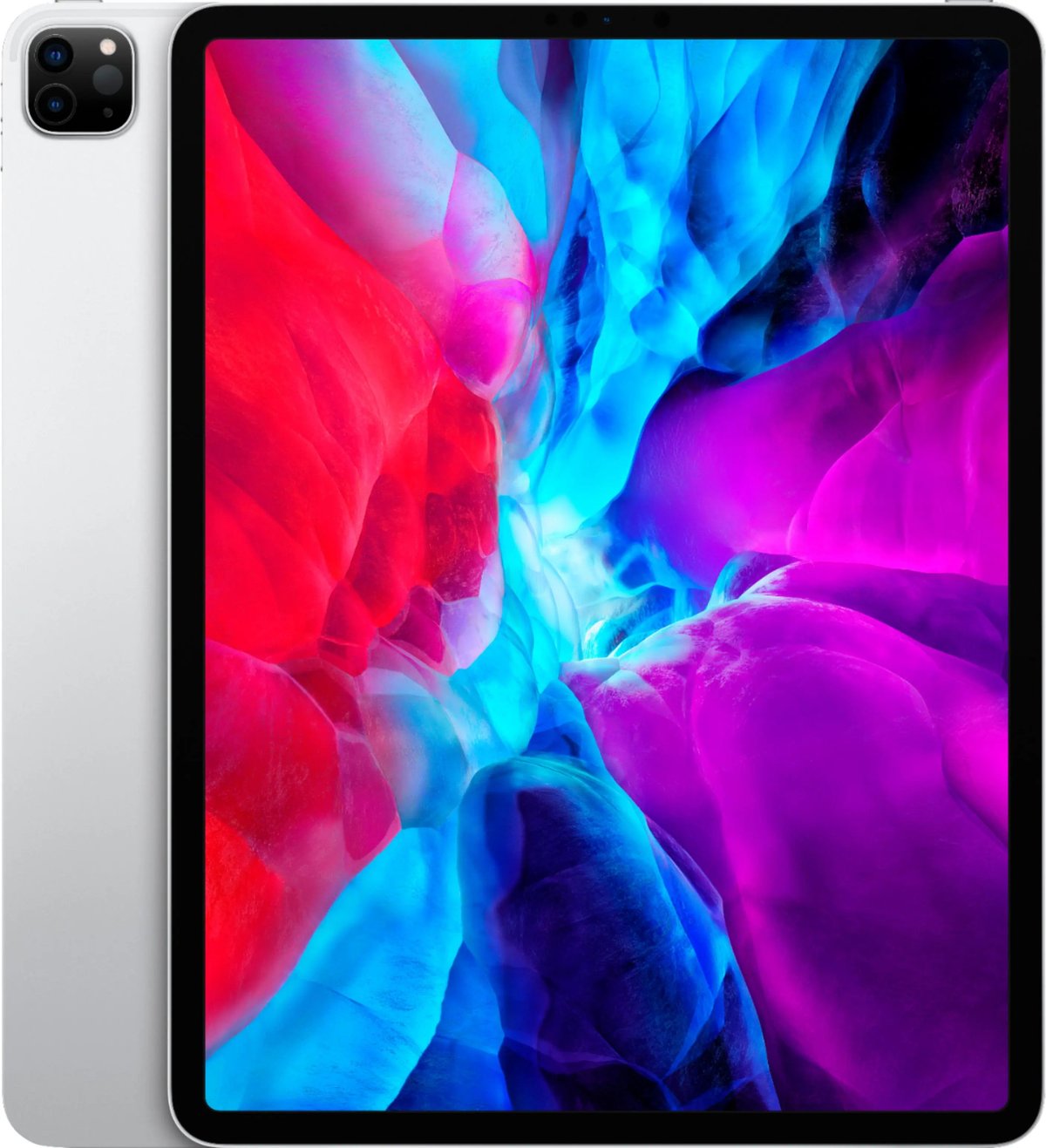
When Apple unveiled the 4th generation iPad Pro 12.9-inch in March 2020, it wasn't just another tablet; it was a testament to how powerful a mobile device could become, largely thanks to its groundbreaking A12Z Bionic chip. This particular iPad Pro iteration solidified Apple's vision for a pro-level mobile computing experience, blurring the lines between tablets and traditional laptops for many users. It marked a significant step in performance, introducing features that empowered creatives, professionals, and everyday users alike.
This super pillar hub is your definitive guide to understanding the 4th generation iPad Pro 12.9-inch, focusing on its core processor and the innovations it brought. We’ll explore what made this device a formidable tool, delve into the chip that powered its capabilities, and see how it holds up in today's fast-evolving tech landscape.
The A12Z Bionic: Unpacking Its Power and Performance
At the heart of the iPad Pro 12.9-inch 4th generation lies the Apple A12Z Bionic chip, a marvel of engineering that built upon the already impressive A12X. This system on a chip (SoC) featured an octa-core CPU, ensuring exceptional multi-tasking and processing speeds. But the real game-changer was its octa-core GPU, which included one additional graphics core compared to its predecessor, the A12X.
This enhancement significantly boosted graphical performance, making the 4th generation iPad Pro incredibly adept at handling demanding tasks like video editing, 3D rendering, and graphically intensive games. It delivered desktop-class performance in a sleek, portable form factor. For an in-depth look at what this chip can truly achieve, you'll want to Discover A12Z Bionic performance.
Beyond the Chip: Key Features and Innovations
While the A12Z Bionic chip was the star, the 4th generation iPad Pro 12.9-inch brought a suite of other impressive features that elevated the user experience. Apple introduced an upgraded camera system, now featuring a 12 MP wide camera, a 10 MP ultra-wide camera, and crucially, a LiDAR scanner. This LiDAR technology opened up new possibilities for augmented reality (AR) applications, offering faster and more accurate depth sensing.
Connectivity also saw an upgrade with support for Wi-Fi 6, ensuring faster and more reliable wireless performance. The device further increased its base storage option to 128 GB and saw an increase in RAM to 6 GB across most models, enhancing its capability to handle larger projects and more demanding applications. This combination of processing power and hardware innovation truly defined the device's "Pro" moniker. To get the full picture of everything this generation offered, you can Discover iPad Pro 4th Gen features.
Design, Display, and Hardware Specifications
The 4th generation iPad Pro maintained a familiar, revered design language, inheriting the sleek, edge-to-edge display and slender profile of its predecessor. Its stunning Liquid Retina display offered vibrant colors and ProMotion technology for a smooth, responsive experience. These design choices weren't just about aesthetics; they contributed to the iPad Pro's identity as a premium, versatile tool.
This model was also designed to work seamlessly with cutting-edge accessories. It was fully compatible with the Apple Pencil, and a new Magic Keyboard was released, featuring a trackpad, backlit keys, and a unique cantilever design for adjustable viewing angles. These accessories transformed the iPad Pro into a highly capable laptop alternative. For a deeper dive into its physical attributes and underlying specs, explore our guide on Design, Display & Specifications of this powerful device.
Unlocking Its Potential: Productivity and Creative Use Cases
The robust hardware of the 4th generation iPad Pro, powered by the A12Z Bionic, translated directly into unparalleled productivity and creative potential. With the release of iPadOS 13.4, users gained official support for trackpads, mice, and other pointing devices, further enhancing its laptop-like utility. This update, combined with the power of the chip, made the iPad Pro a formidable machine for professional tasks, from intricate graphic design and music production to extensive document creation and video editing.
The LiDAR scanner's integration also made the device a powerful tool for architects, designers, and anyone working with augmented reality, allowing for precise measurements and immersive AR experiences. Whether you're a student, an artist, or a business professional, this iPad Pro was designed to keep up with your most ambitious projects. To truly understand how to maximize your daily workflow, Unlock iPad Pro productivity Explore iPad's full potential.
Longevity and Legacy: Comparing to Newer Models
Upon its release, some viewed the 2020 iPad Pro as a "minor spec bump" compared to its direct predecessor, given its similar design. However, the A12Z Bionic chip and the introduction of LiDAR were significant advancements that laid crucial groundwork for future iPad models. Even years later, the 4th generation iPad Pro 12.9-inch remains a highly capable device, handling most modern applications and workflows with ease.
The initial controversy around Stage Manager, a leading iPadOS multitasking feature, highlighted the device's power, as Apple initially deemed it only for M-series chips. However, a single-screen version of Stage Manager was later rolled out to the 2018 and 2020 iPad Pro models, reaffirming their enduring capabilities. While newer M-series chips have pushed performance boundaries even further, the 4th generation iPad Pro still offers exceptional value. If you're pondering whether your current setup still cuts it or if it's time for an upgrade, our dedicated comparison guide can help you decide: Should You Upgrade Your iPad Pro.
The iPad Pro 12.9-inch 4th generation with its A12Z Bionic chip stands as a testament to Apple's commitment to pushing mobile computing forward. It wasn't just about raw power; it was about integrating that power with a holistic ecosystem of software and accessories to create an unparalleled user experience. For many, it remains a fantastic device, blending robust performance with versatile functionality.